
Did you know nearly 70% of online carts are abandoned before checkout? That number comes up almost every time I talk with marketers and business owners, whether they’re running a fast-growing startup, a big eCommerce brand, or even a SaaS company.
Over the years, I’ve seen teams throw discounts, emails, and popups at the problem, only to realize the real issue isn’t price—it’s trust, convenience, and customer experience.
Surprise fees, clunky checkouts, and unclear policies don’t just cost sales; they damage confidence.
In this blog, I’ll share 14 proven strategies, plus the latest enhancements like AI-driven triggers, mobile-first flows, and behavioral nudges that actually move the needle. Let’s go!
What Is Shopping Cart Abandonment?
Shopping cart abandonment happens when customers add products to their carts but leave the website before completing the purchase. For e-commerce stores, this metric is more than just a number. It reflects lost leads, missed sales, and gaps in the checkout experience.
How to Calculate Shopping Cart Abandonment Rate
You can calculate the cart abandonment rate with this formula: (Carts Created − Purchases Completed) ÷ Carts Created × 100%
Example: If 100 customers add items to their carts and only 40 complete checkout, the abandonment rate is 60%.
Here’s a Quick Look at Benchmarks by Industry and Product:
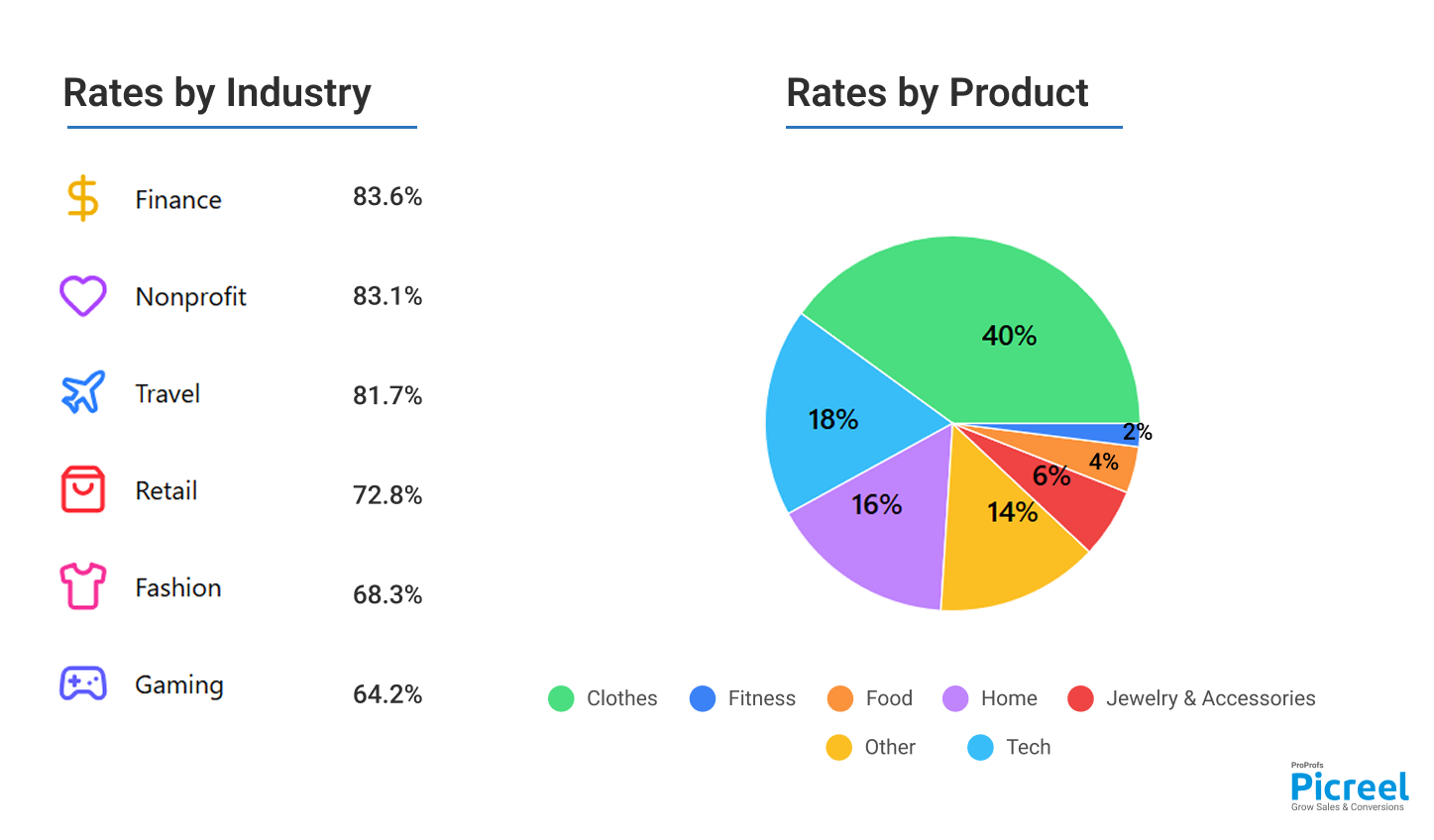
As a rule of thumb, anything below 65-70% is healthy, while above 80% is a warning sign of serious friction points such as hidden costs, long checkout forms, or poor mobile experience.
Top 7 Reasons for Shopping Cart Abandonment
Before diving into how to reduce cart abandonment, it’s important to understand why shoppers leave in the first place. Here Are the Biggest Culprits:

Image Source: Baymard
- Unexpected Costs
Hidden shipping fees, taxes, or handling charges are the #1 reason customers walk away. Many shoppers feel “ambushed” when the final price jumps at checkout. - Complex Checkout
Long forms, slow loading pages, or mandatory account creation create friction. Even a two-second delay can drop conversions by up to 60%. - Lack of Trust
If your site looks insecure, lacks visible trust badges, or hides return policies, shoppers hesitate to share payment details and abandon the process. - Limited or Outdated Payment Options
Today’s shoppers expect wallets, UPI, buy-now-pay-later, or even crypto. Missing options often mean a lost sale. - Site Crashes & Slow Performance
Technical issues at checkout quickly erode confidence and drive customers away. - Unclear Product or Return Details
Vague descriptions or confusing policies cause uncertainty, pushing buyers to competitors with clearer terms. - Browsing Carts
Not every cart is meant for immediate purchase. Many shoppers use carts as wishlists or for price comparison.
14 Proven Ways to Reduce Shopping Cart Abandonment
Now that you know the possible reasons for customers leaving their carts, let’s look at how to reduce cart abandonment with proven solutions that can turn lost opportunities into sales.
1. Use Exit-Intent Popups With Smart Offers
Exit-intent popups are one of the most effective ways to stop shoppers just as they’re about to leave. Instead of losing them, you get a second chance to address the very issues that cause abandonment.
For example, you can tackle hidden costs by offering free shipping codes or instant discounts, rebuild trust by highlighting guarantees or reviews, and capture leads by collecting emails or phone numbers for follow-ups. Picreel can help you implement these ideas with its custom, ready-made templates.
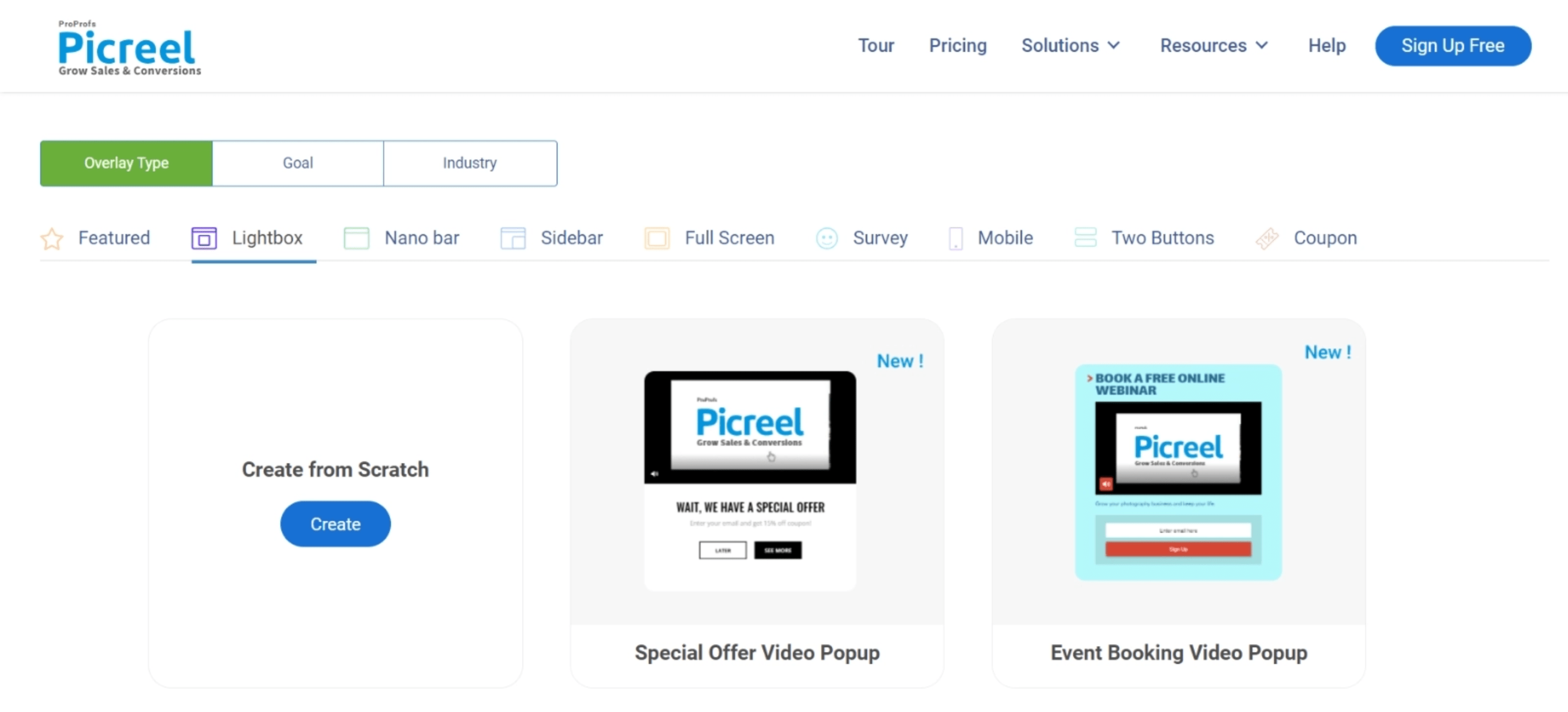
How to Do It Effectively:
- Add Advanced Triggers: Go beyond exit-intent and use scroll depth, inactivity, or geo-targeting so popups feel timely and relevant.
- Keep It Simple: Clean, branded designs with one clear CTA work best. Too many options feel spammy and push shoppers away.
- Stay Compliant: Adding clear opt-in checkboxes ensures GDPR compliance.
- Multilingual Popups: If you serve global audiences, remember to make your popups multilingual. Just select the preferred language from the dashboard and it.
To dive deeper into how to reduce abandoned carts using exit popups, watch this video:
2. Enable Guest Checkout for First-Time Shoppers
Forcing shoppers to create an account before buying is one of the biggest conversion killers. Nearly 1 in 4 customers abandon their cart when sign-up is mandatory. Guest checkout removes this friction by letting first-time buyers complete their purchase quickly without unnecessary hurdles.
Here’s an example of how this popular beauty brand offers a guest checkout option to reduce cart abandonment:
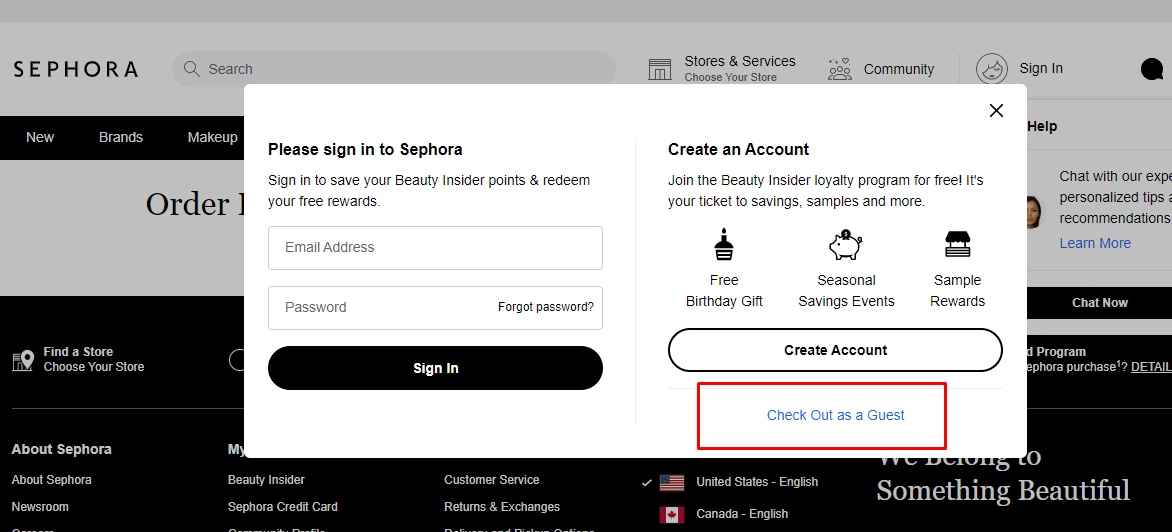
The smart move is to invite them to create an account using an offer-loaded popup after placing the order, highlighting benefits like loyalty rewards, discounts, or faster reorders. This way, you reduce drop-offs but still capture leads for future marketing.
You can enable the guest checkout option in your e-commerce platform’s checkout settings.
3. Be Transparent About All Costs Upfront
Nothing frustrates shoppers more than reaching the checkout page and suddenly seeing their total skyrocket with taxes, shipping fees, or handling charges.
The fix is simple: remove the surprises and make things predictable. Here’s How:
- Show the full cost clearly and early, including duties and taxes, whether on the product page, in the cart, or in a popup.
Many stores like Sunbasket use Hello Bars and Welcome popups to announce shipping + terms upfront. Here’s an example:
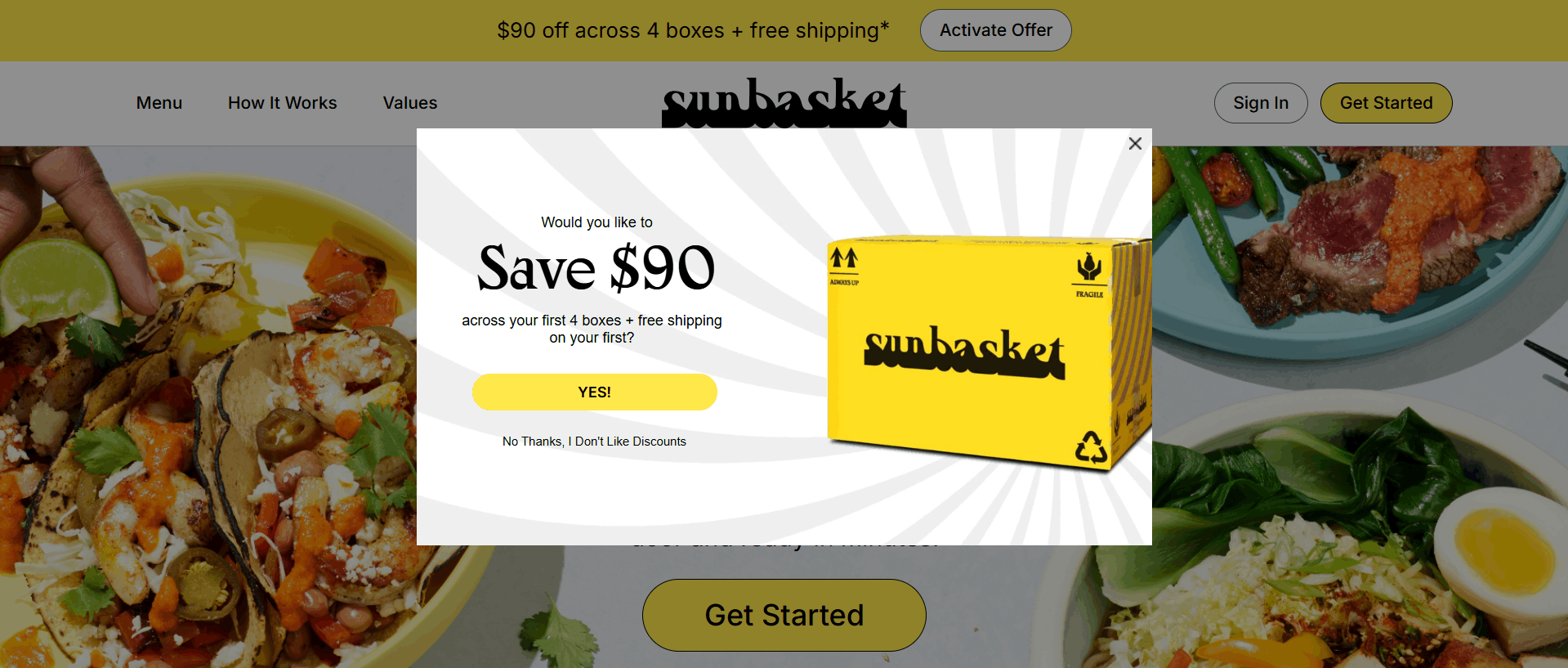
Using real-time shipping calculators linked to carriers like UPS or FedEx, so customers see exact costs based on their address.
4. Offer Free Shipping
High shipping costs significantly drive cart abandonment, and most shoppers leave the moment unexpected fees appear at checkout. One of the simplest ways to reduce shopping cart abandonment is to show shipping costs upfront or offer free or discounted delivery.
If free shipping on every order isn’t realistic, set a minimum threshold, tie it to loyalty perks, or use progress bars/hello bars that update as shoppers add items, subtly encouraging bigger baskets.
A good example is Fashion Nova, which combines a hello bar (“Free shipping on orders over $75”) with a progress bar in the cart (“You’re $13.02 away from free shipping”). This approach sets expectations upfront and creates a subtle incentive to spend more.
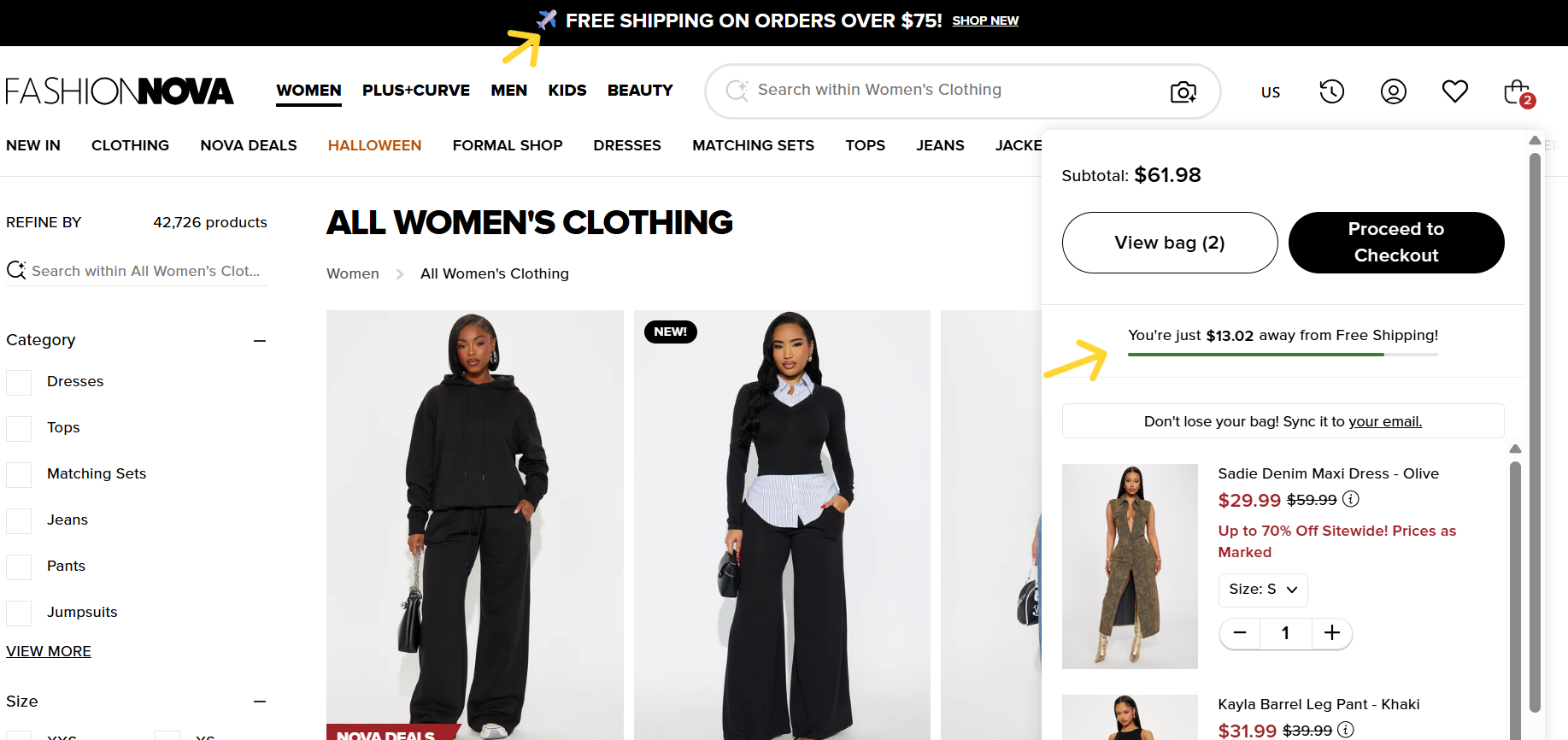
Here’s How to Implement a Free Shipping Offer the Right Way:
- Add a popup using popup templates. Popup software tools like Picreel let you customize and publish it in minutes by pasting an auto-generated code.
- Install progress bar plugins like Free Shipping Progress Bar for WooCommerce (by FmeAddons) or Hextom’s Free Shipping Bar, which provide customization options, targeting rules, and built-in calculators without requiring custom coding.
5. Create Urgency With Limited-Time Deals
Shoppers often abandon carts because they’re undecided or plan to “come back later.” Creating a sense of urgency is one way to nudge them into action.
Using limited-time shopping deals, low-stock alerts, or countdown timers can help you do that by reminding customers that waiting could mean missing out.
You can add these urgency signals to popups, nano bars, or cart page banners. Here’s an example of how urgency-driven popup offers look:
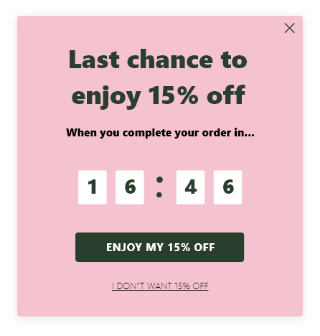
You can enhance this strategy by activating psychological triggers like:
- Scarcity, as people value things more when they’re limited.
- Social proof shows that others are buying now, making the purchase feel safer.
- Loss aversion highlights what customers might miss out on (like free shipping or a discount) is often more powerful than the gain itself.
6. Provide Multiple & Modern Payment Options
Today’s shoppers expect flexibility, and if they don’t see their preferred payment method, they’ll quickly look for it elsewhere.
That makes supporting a wide range of gateways that match your audience’s preferences, one of the best ways to reduce shopping cart abandonment. Big brands like ASOS follow this.
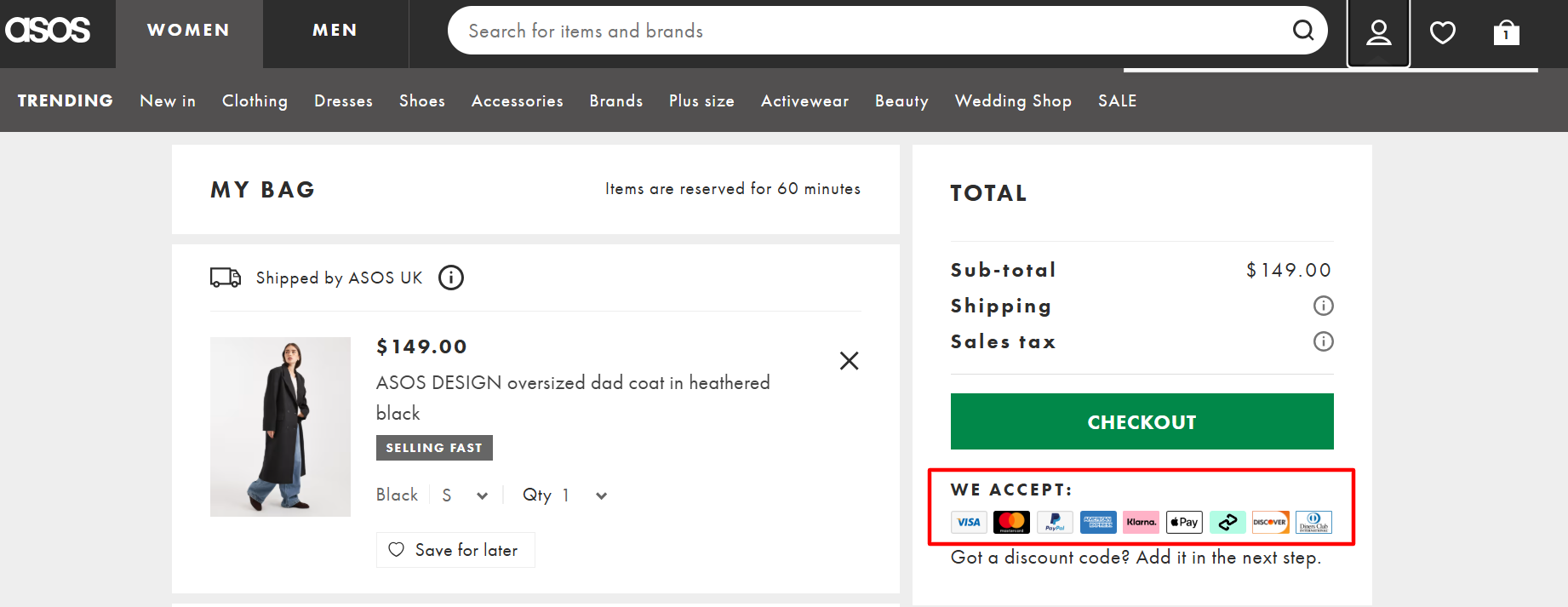
This means going beyond credit cards to include:
- Digital wallets like PayPal, Apple Pay, Google Pay, or Amazon Pay.
- UPI and local payment methods for regional audiences.
- Buy Now, Pay Later (BNPL) options like Klarna, Afterpay, or Affirm, which make higher-value purchases easier to commit to.
- Direct bank transfers or financing for big-ticket items.
Most e-commerce platforms (Shopify, WooCommerce, BigCommerce, etc.) allow you to integrate multiple gateways directly in checkout settings. I recommend using a combination of trusted providers (Stripe, PayPal, Klarna) to boost confidence and reduce hesitation around payment security.
Also, keep the experience simple and avoid multiple redirects or confusing flows, as this will reassure customers that their transaction is secure.
7. Build Trust With Security Badges and Clear Policies
Fear that payment will be compromised, they’ll be stuck with a product they can’t return, or will never receive the product, can push shoppers to abandon their carts.
You Can Ease This Doubt by Following These Cart Abandonment Tips:
- Using Reassurance Widgets: Add real-time proof with apps like Fomo (“X people bought today”) or a social proof popup showing reviews and ratings like EyeLove does in the example below.
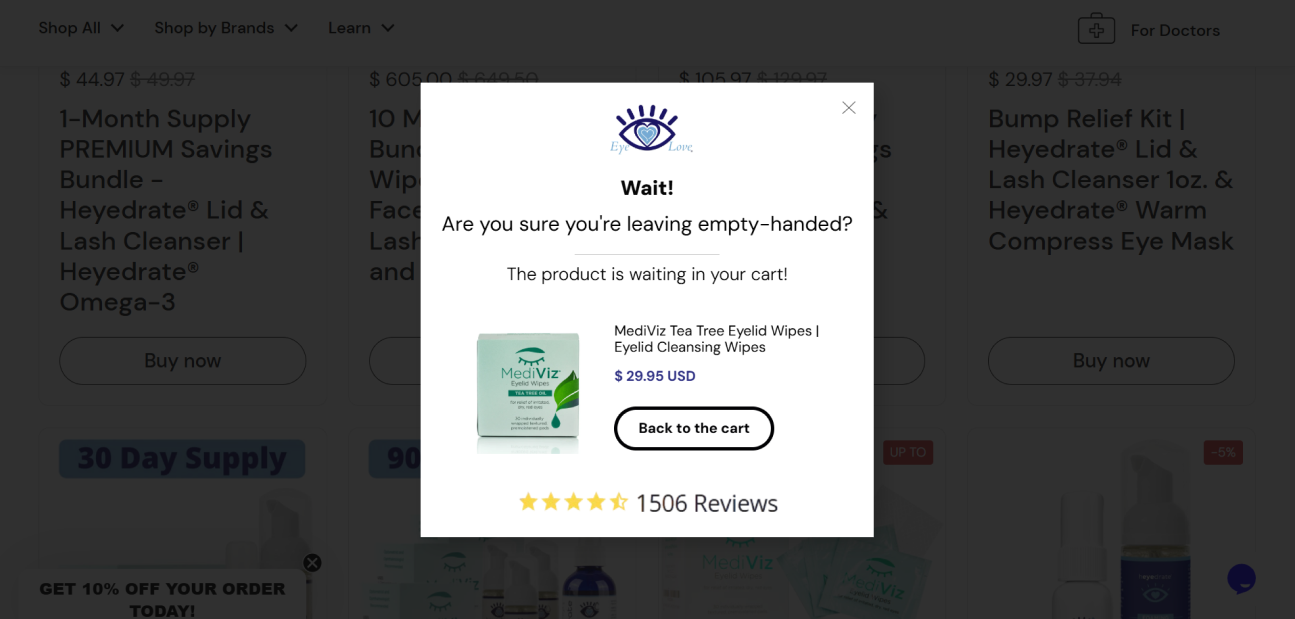
Highlighting Clear Policies: Add a short note or link to returns, refunds, and shipping directly in the cart or checkout instead of hiding it in the footer.
Or simply link your important policies on your homepage, like Klarna, a payment service provider, does in the example below:
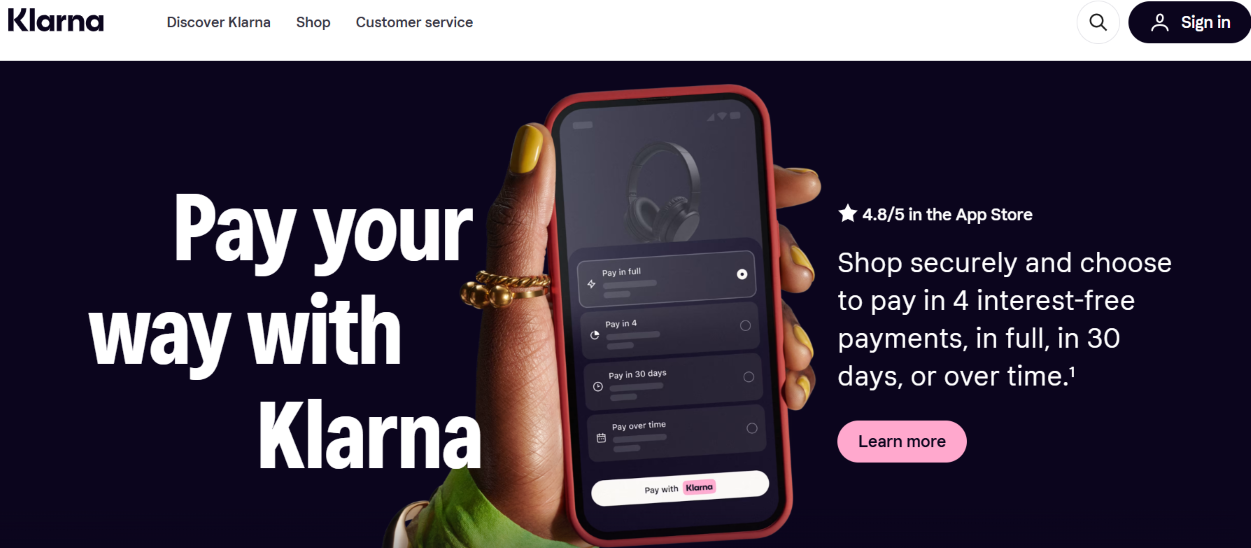
Showing Security Badges and Payment Logos: Enable SSL and “Secure Checkout” text in Shopify/WooCommerce or use tools like TrustedSite to display seals next to payment fields.
- Adding Reviews and Testimonials: Tools like Judge.me or Yotpo make it easy to place ratings.
You can also add user-generated content on product and checkout pages. Look how GoPro, an action camera brand, highlights UGC content to build trust and boost conversions:

8. Simplify Checkout
A quick, transparent, and mobile-friendly checkout flow is one of the most underrated cart abandonment tips. It reduces friction and signals professionalism, making customers more confident about hitting “buy.”
I can confidently say that 18% of US shoppers quit because the process feels too long or complicated, while brands that simplified checkout saw conversion jumps of up to 35%.
I recently came across Nike’s checkout, which I think is perfectly framed to boost checkouts.
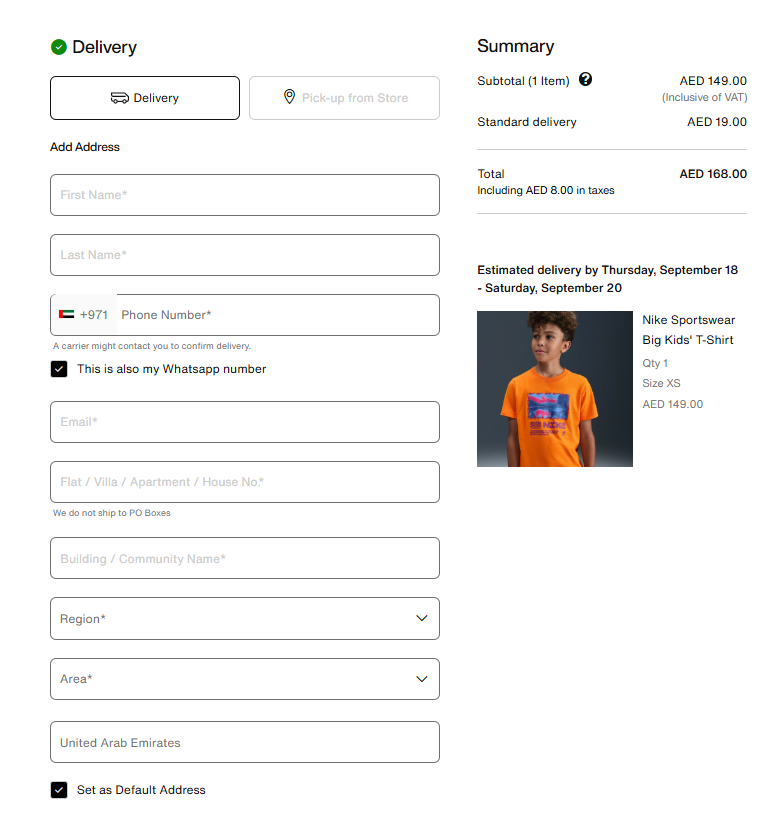
Here’s How to Make Yours Seamless:
- Keep Forms Short: Request only essentials like name, email, shipping, and payment. Most e-commerce platforms let you hide extra fields in the checkout settings.
- Show Progress: Add a simple progress bar (“Step 1 of 3”) so shoppers know how close they are to finishing. Platforms like Shopify and WooCommerce have built-in options to add this.
- Make It Mobile-First: Under your payment settings, enable browser autofill and payment wallets (Apple Pay, Google Pay, PayPal) to speed things up on small screens.
- Prioritize Speed: Checkout pages should load in under two seconds. Use free tools like Google PageSpeed Insights to spot issues, compress images, remove heavy scripts, and consider a CDN for faster delivery.
9. Personalize the Shopping Experience
Personalization is one of the smartest ways in the ‘how to reduce checkout abandonment’ list. That’s because many shoppers take some time to decide whether to place an order or exit the website after adding products to their cart. Showing personalized popups, tailored to the shopper’s behavior and context, can pull them towards checkout. Here Are the Features That Can Help You:
- Use Smart Triggers: Go beyond exit intent. Trigger popups based on scroll depth, inactivity, or location so they feel timely and relevant. Most popup tools, like Picreel, let you set these rules in the dashboard.
- Personalize the Message: Use the personalize feature to add the shopper’s name, location, or even the exact item left in their cart.
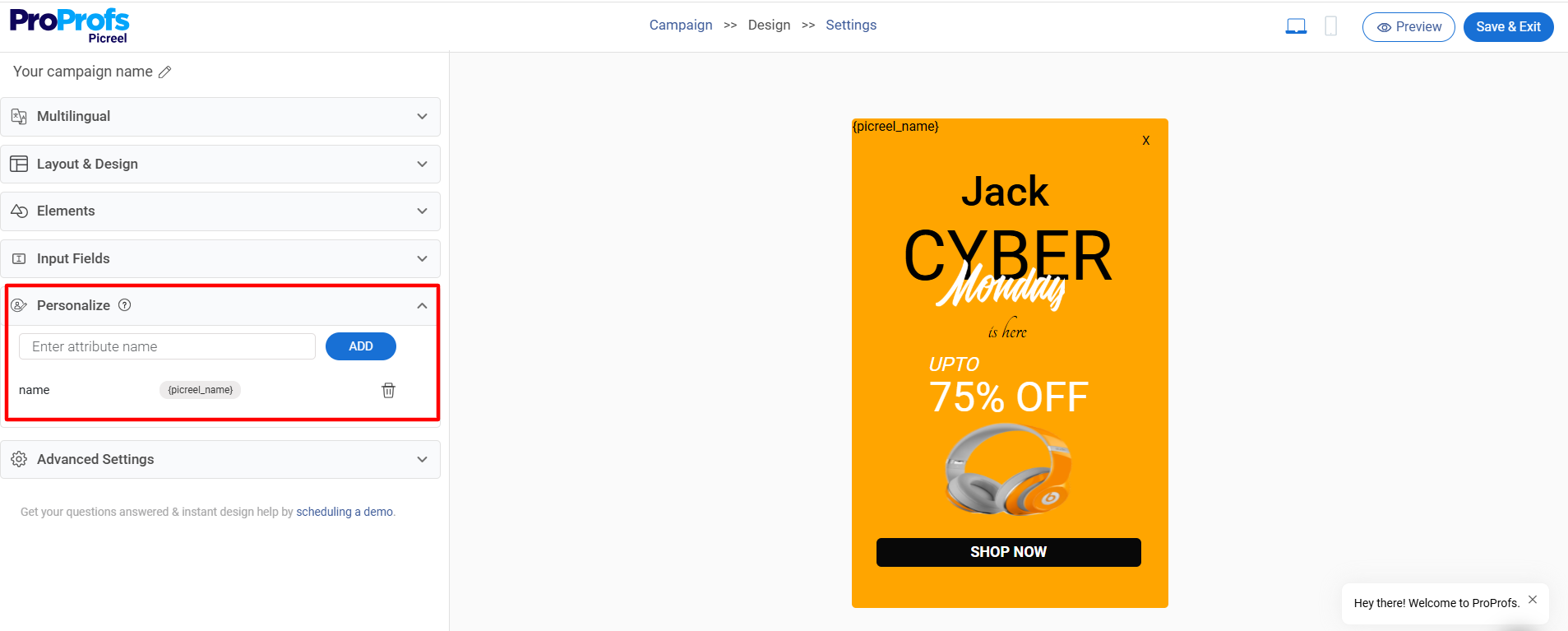
Show Real Value: Offer special discounts, free shipping, or highlight benefits to remind them what they’ll miss if they leave.
Don’t forget to use popup analytics built into your popup tool to see which personalized messages convert best, and refine based on real results.
10. Recover Sales With Email, SMS, and Push Notifications
One reliable approach for how to reduce checkout abandonment is using timely follow-ups. Whether it’s a reminder email sent within the hour, a quick SMS with a direct cart link, or a push notification offering free shipping, these nudges bring shoppers back before they lose interest.
Here’s How You Can Execute These 3 Ways in Minutes:
- Email Remarketing: Capture emails with exit popups or checkout forms, then run a 3-part abandoned cart email sequence including reminder (1 hr), urgency (24 hrs), and incentive (48–72 hrs). Tools like Mailchimp or HubSpot automate abandoned cart emails easily.
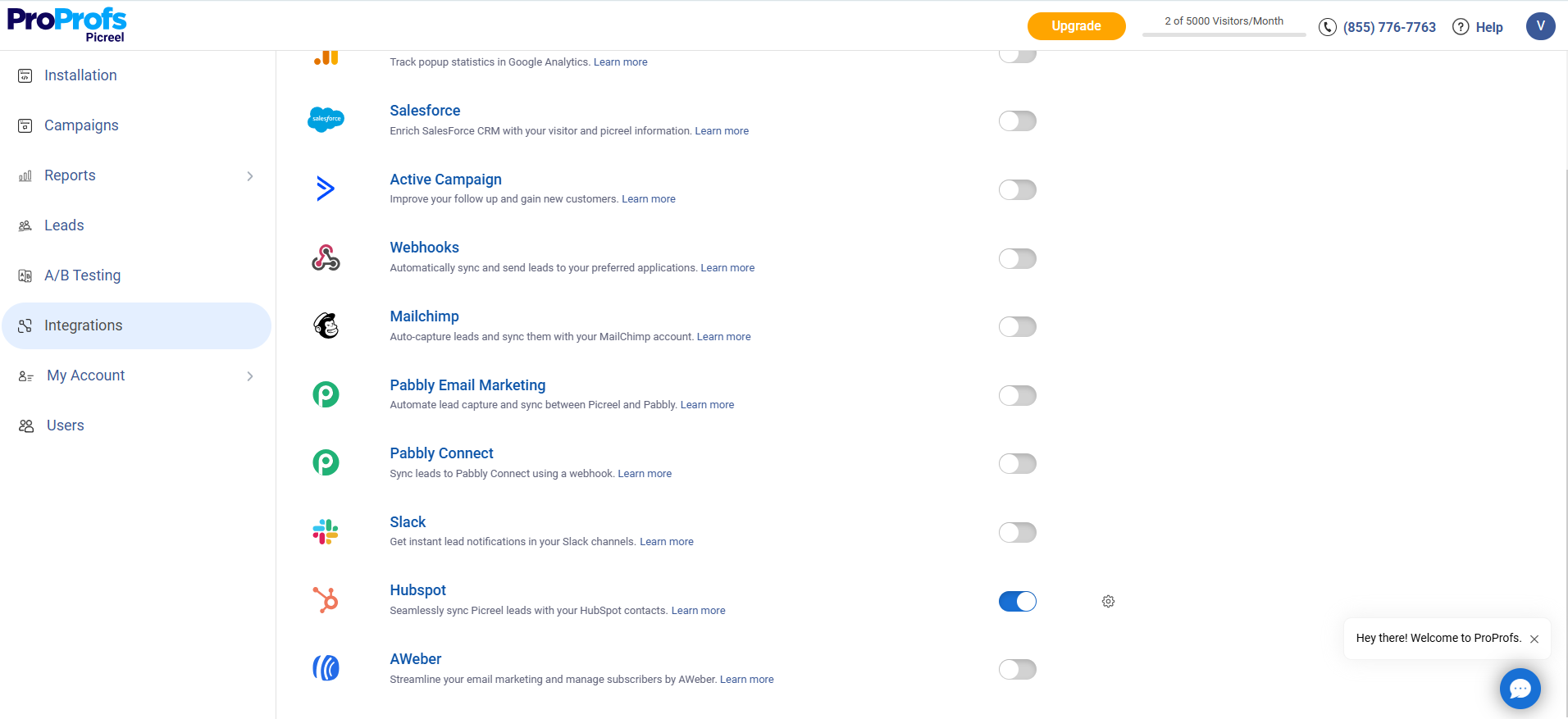
Push Notifications: Enable push notifications with tools like OneSignal or PushEngage. When customers leave, trigger reminders like “Your cart is waiting” and pair them with perks such as discounts or free shipping.
- SMS Remarketing: Use SMS marketing platforms like SimpleTexting or Attentive to collect numbers at checkout. Send a short SMS marketing text with a direct cart link so shoppers pick up where they left off.
Here’s an example of a convincing SMS that Essential oils brand Whimsy + Wellness uses to bring back their shoppers:
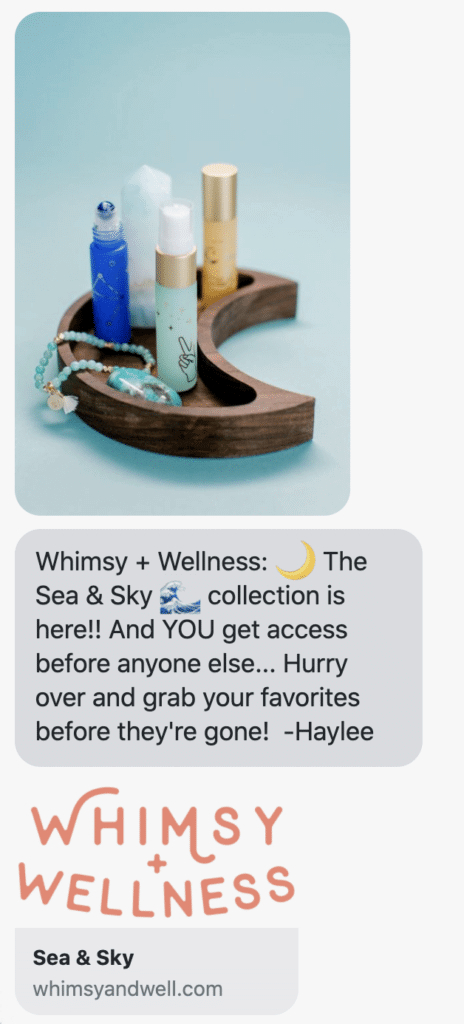
Image Source: Fantastic Texts
11. Leverage Retargeting Ads on Social Media
If you’re looking at how to reduce checkout abandonment, retargeting ads are one of the most effective tools. About 75% of shoppers notice these ads, especially when they see the exact product they left behind while scrolling Instagram, Facebook, or browsing online. That reminder often feels familiar enough to bring them back.
Here’s an Example by a Wellness Products Brand, Good Protein, for Your Inspiration:
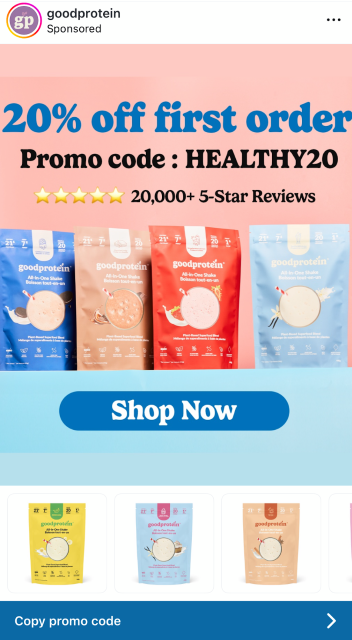
Image Source: reactiv.ai
I feel that retargeting is more trustworthy when ads include reviews, ratings, or a mention of free shipping instead of just showing the product again.
Here’s How You Can Set up Retargeting Ads:
- Add a tracking pixel (Meta Pixel or Google Ads tag) on your website to see who left without buying.
- Connect your product catalog so ads automatically pull the same items left in carts.
- Split audiences as new visitors may need a discount, while past buyers often just need a reminder.
- Use short, urgent messages like “Your cart is waiting” or “Almost sold out.”
12. Continuously Test & Optimize With A/B Testing
When people ask me how to reduce shopping cart abandonment, I always say the answer starts with testing. A/B testing shows you exactly what works by comparing two versions of the same element—whether it’s a button, layout, or offer—and measuring which one drives more checkouts.
To Set up A/B Tests and Uncover Customer-Backed Data:
- Pick One Element to Test: Start small with button text, layout, checkout flow, or incentive. For example, test “Checkout Now” vs. “Complete My Order.”
- Use Built-In Tools or Platforms: Many e-commerce platforms (Shopify, WooCommerce, BigCommerce) and tools like Google Optimize or VWO let you set up split tests without coding.
- Define the Goal: Decide what you want to measure like cart completion, clicks, or revenue. This keeps results tied to actual conversions, not vanity metrics.
- Run and Analyze: Keep the test running until you have enough traffic for reliable results, then roll out the winning version.
13. Offer Live Chat Support During Checkout
53% of US online shoppers often leave because they have unanswered questions about delivery, returns, or payments. If you’re looking at how to reduce shopping cart abandonment, live chat is one of the simplest fixes. It gives shoppers instant reassurance without leaving your site.
You Can Execute Live Chat Support By:
- Adding a chat widget to carts and payment pages using built-in options on platforms like Shopify or WooCommerce, or dedicated platforms like ProProfs LiveChat.
- Using chatbots to automate answering FAQs and routing to real agents for handling payment or refund concerns, like Ramp, a popular spend management software, does:
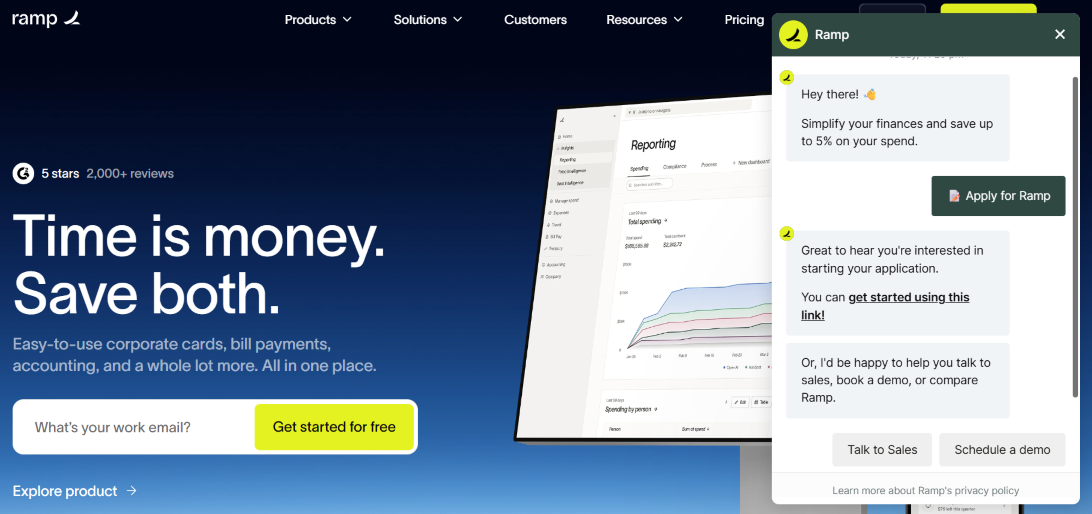
Triggering chats if a shopper pauses too long or shows exit intent to catch hesitation in real time.
14. Create a Dedicated Cart Page for Mobile Users
I’ve seen time and again that most shoppers complete their purchases on mobile, and even a 2-second delay can cause them to drop off. When I talk about how to reduce shopping cart abandonment, one of the first things I highlight is creating a mobile-first checkout that feels quick and effortless.
Here’s How to Nail It on Mobile:
- Responsive Cart Page: Make sure your cart looks good on any screen. Most Shopify, WooCommerce, or BigCommerce themes are mobile-ready, but always double-check with a quick preview.
- One-Tap Payments: Nobody likes typing out card numbers on a phone. To make checkout a tap-and-done experience, turn on Apple Pay, Google Pay, or PayPal right from your payment settings.
- Fewer Fields: Long forms kill momentum. Go into your checkout settings and strip it down to the basics like name, email, shipping, and payment. Autofill makes it even faster.
- One-Click Checkout: For repeat buyers, give them a one-tap option. Tools like Shop Pay, Amazon Pay, or Bolt let customers reorder in seconds.
FREE. All Features. FOREVER!
Try our Forever FREE account with all premium features!
Which Cart Abandonment Strategies Work Best for Your Industry?
Each industry has unique customer behaviors, so cart abandonment recovery isn’t one-size-fits-all. Here’s How Different Sectors Can Apply the Right Strategies:
| Industry | Best Strategies to Focus On | Why It Works |
|---|---|---|
| Retail & Fashion | Free shipping bars, urgency timers, personalized popups, retargeting ads | Fashion shoppers are highly price-sensitive and impulsive. Small nudges like free shipping or urgency push them to checkout faster. |
| SaaS & Software | Guest checkout (no forced account creation), live chat support, A/B testing checkout flows, email remarketing | SaaS buyers want speed and trust. Reducing signup hurdles and offering real-time support builds confidence in subscriptions. |
| Healthcare & Pharma | Security badges, transparent policies, customer reviews/testimonials, simplified checkout | Trust and compliance are critical. Visible reassurance (badges, policies) helps hesitant buyers feel safe sharing sensitive details. |
| Hospitality & Travel | Exit-intent popups, urgency signals (limited seats/rooms), SMS reminders, mobile-optimized checkout | Travelers compare a lot before booking. Urgency nudges and reminders reduce delays and encourage quicker commitments. |
| Education & E-learning | Multiple payment options, clear refund/return policies, remarketing emails & SMS | Parents and learners value flexibility. Easy payments and reassurance policies reduce hesitation before investing in courses. |
| Financial Services & Insurance | Live chat during checkout, security seals, multi-step progress bars | Purchases are high-stakes. Support and transparency guide users through complex forms and reduce drop-offs. |
| Consumer Electronics | BNPL (Buy Now, Pay Later), one-click checkout, retargeting ads with reviews | High-ticket purchases benefit from flexible payments and reminders backed by social proof. |
Turning Abandoned Carts Into Sales
Cart abandonment isn’t just lost sales—it’s a signal that something in your checkout experience needs fixing. From hidden costs to clunky forms, shoppers drop off for reasons you can control.
The good news? If you’re wondering how to reduce cart abandonment, small changes add up fast.
Be upfront about pricing, keep checkout short and mobile-friendly, offer flexible payments, and use smart nudges like exit-intent popups, free shipping bars, and urgency timers. Don’t forget to build trust with clear policies and live chat support when doubts creep in.
At the end of the day, reducing abandonment is all about removing friction and giving shoppers confidence to click “buy.”
Tools like Picreel make it easy to run targeted, personalized popups that keep customers engaged and bring them back. So, leverage the power of Picreel’s conversion optimization capabilities, among others, and recover abandoned shoppers swiftly.
Frequently Asked Questions

How soon should I send reminder emails or SMS after cart abandonment?
Send the first reminder within an hour, follow up with urgency within 24 hours, and add an incentive after 48–72 hours. This sequence balances timeliness with customer trust.
How can I reduce cart abandonment for mobile users?
Use a mobile-first cart design, enable one-tap wallets (Apple Pay, Google Pay, PayPal), shorten forms with autofill, and ensure fast load times. One-click checkout makes repeat buying effortless.
FREE. All Features. FOREVER!
Try our Forever FREE account with all premium features!

 We'd love your feedback!
What did you like & how can we make it even better?
 Thanks for your feedback!
 Ask Your Question
Have a question? Get expert help to make your decision easier.